The University That Is the City: UK at the Center of Lexington
The University of Kentucky educates roughly 35,000 students, runs the region's academic medical center, and employs more of Lexington than anyone. November on campus is a full calendar.
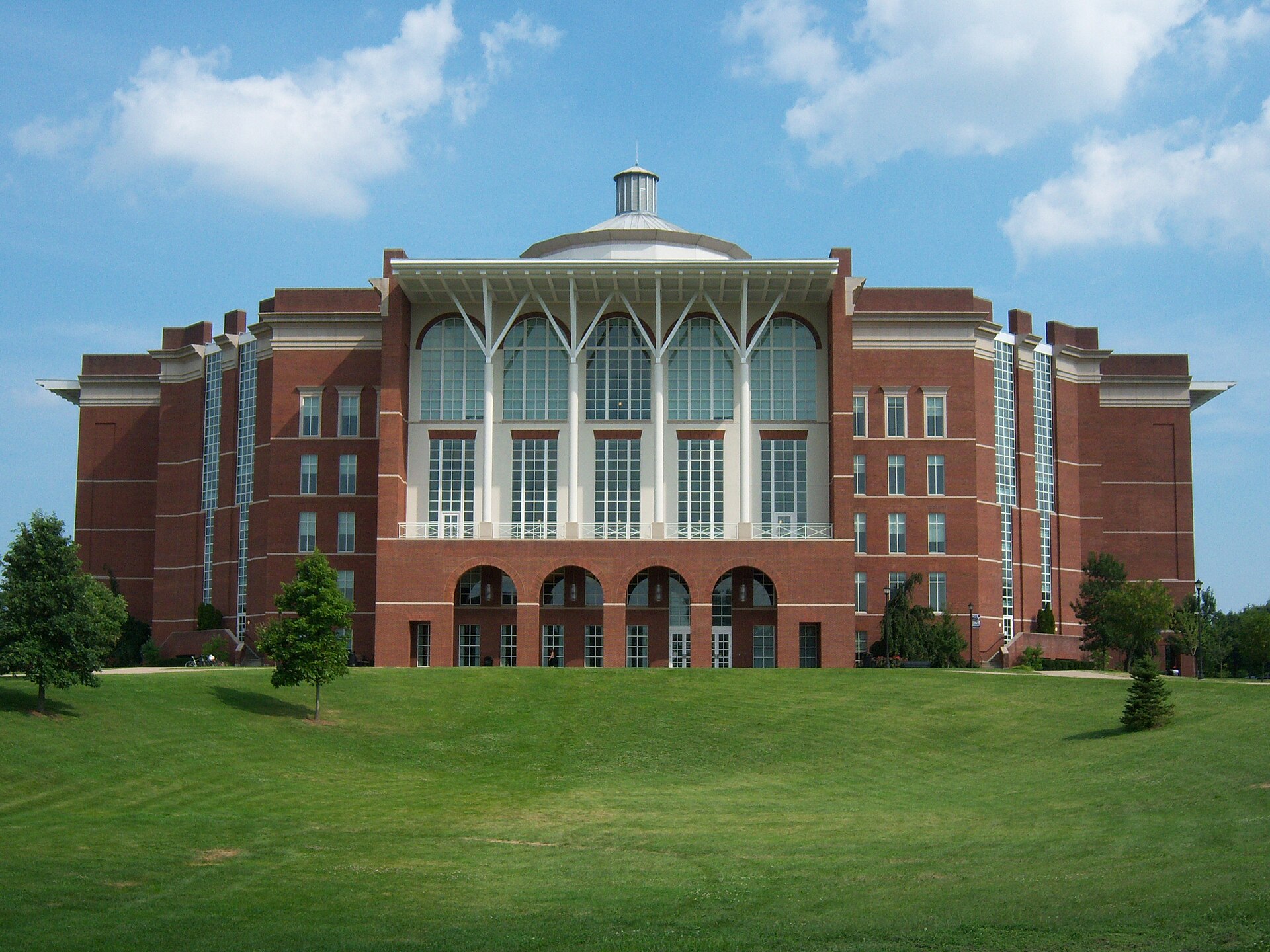
Lexington is a city with a university the way some cities have a downtown. The University of Kentucky — founded in 1865, the state's flagship and largest university — enrolls about 35,000 students, anchors the region's health care through UK HealthCare, and shapes everything from Lexington's rental market to its Saturday traffic.
The university's footprint keeps expanding south of downtown: the Albert B. Chandler Hospital and the Markey Cancer Center make UK HealthCare the referral center for Eastern Kentucky's complex medicine, while new research buildings rise to support a research enterprise that spans agriculture, engineering, medicine and the humanities.
November on the campus calendar is dense: fall semester in its final full month, basketball season opening at Rupp Arena downtown, football at Kroger Field, and the arts and lecture calendar running through the Singletary Center and the university's museums and galleries.
UK's role as an employer and educator binds it to the region's politics — state appropriations, tuition and the land-grant mission all pass through Frankfort, and the university's extension services reach every Kentucky county through the College of Agriculture, Food and Environment.
The town-gown line in Lexington is blurry by design: students fill downtown's restaurants, graduates staff its hospitals and horse farms and tech startups, and the alumni base turns every UK game into a civic holiday.
Critics can argue about priorities and budgets, and do. But remove UK from the map and Lexington's economy, medicine and identity all leave with it — the defining institution of the modern city, still growing into the role.