
One Government for City and County: How Lexington-Fayette's Merged Budget Works
Lexington abolished the line between city and county in 1974. Our investigations desk reads the merged government's budget machinery — and where to watch it work.
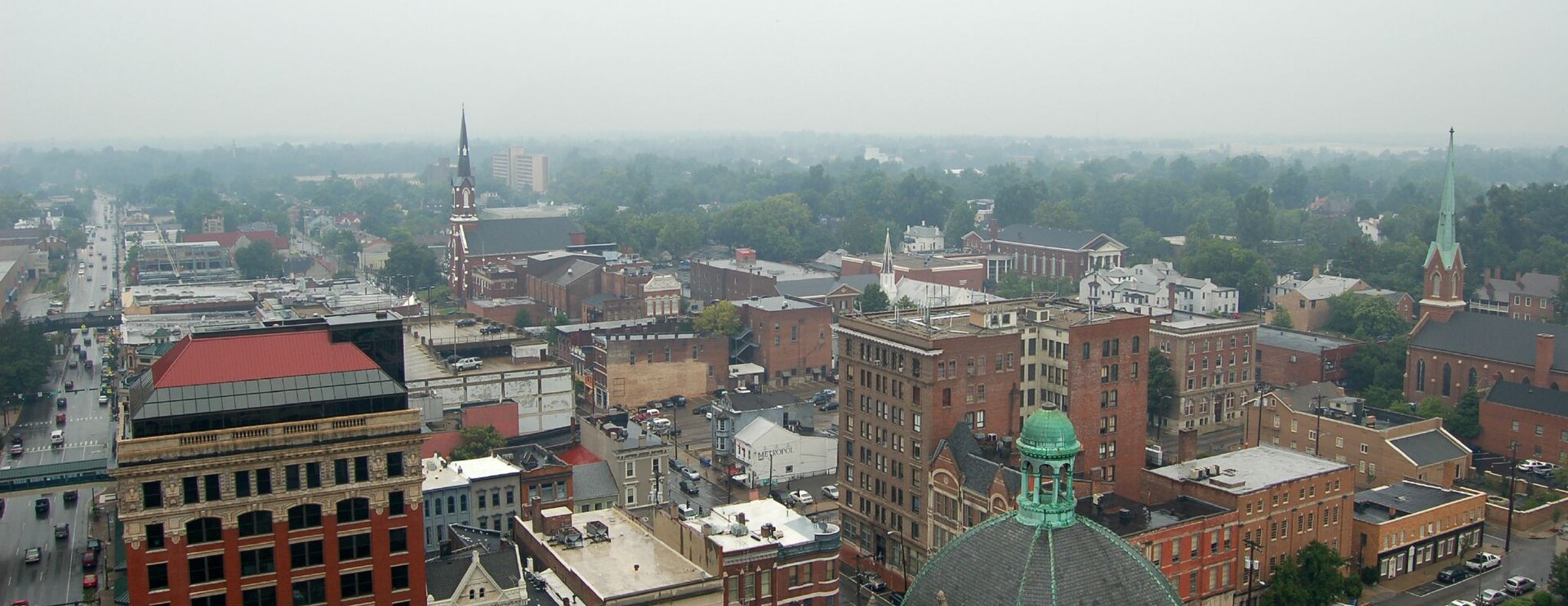
Lexington's government is a Kentucky anomaly: in 1974, the city and Fayette County merged into the Lexington-Fayette Urban County Government — LFUCG — one of only a few fully consolidated city-county governments in America. One mayor, one Urban County Council of 15 members, one budget for everything from police and fire to roads, parks, planning and the jail.
Consolidation shapes the money. The urban county's general fund draws heavily on occupational license fees — the local payroll tax that functions as the region's income tax — plus property taxes, insurance premium taxes and fees. That revenue structure makes Lexington's budget unusually sensitive to employment: when jobs grow, the budget breathes; when they shrink, it tightens faster than property-tax cities feel it.
The budget calendar is public and annual: the mayor proposes a budget in the spring, council committees hold hearings and markups through the spring, and the council adopts the spending plan before the fiscal year begins July 1. Every document — the proposed budget, the adopted budget, the comprehensive annual financial report — is published on the city's website.
Residents' levers are specific: council members hold district meetings, the budget process includes public comment, and the city's open data and open records systems answer to the state Open Records Act — requests any resident may file for contracts, emails and spending records.
The merged structure also means one government owns both sides of most arguments: the same council that funds downtown development funds rural land preservation through the Purchase of Development Rights program that protects the horse farms the development presses against.
Our desk's standing note: consolidated government concentrates accountability in one address — 200 East Main Street. Whatever a Lexington resident wants to praise or blame, there is exactly one city hall. That clarity is the merger's gift; using it is the public's job.